
The Role of EMG in Diagnosing Sciatica Pain
- posted: Mar. 25, 2026
For individuals seeking answers at Rehabilitation Physicians, PC, in Howell and Novi, MI, understanding the cause of sciatica pain is an essential step toward effective treatment. Sciatica often presents as pain that radiates from the lower back down through the leg, and identifying the exact source of nerve involvement is key to developing the right care plan. One valuable diagnostic tool used in this process is electromyography, commonly known as EMG.
What Is Sciatica and Why Diagnosis Matters
Sciatica is typically caused by irritation or compression of the sciatic nerve, the largest nerve in the body. This can result from conditions such as disc issues, inflammation, or structural changes in the spine. Symptoms may include sharp pain, tingling, numbness, or weakness that travels along the nerve pathway.
Because these symptoms can overlap with other conditions, a precise diagnosis is important. Understanding whether the nerve is affected, and to what extent, helps guide treatment decisions and supports better outcomes.
How EMG Helps Identify Nerve Involvement
EMG is a diagnostic test that evaluates the electrical activity of muscles and the nerves that control them. By measuring how well signals travel between nerves and muscles, EMG can help determine whether nerve damage or dysfunction is present.
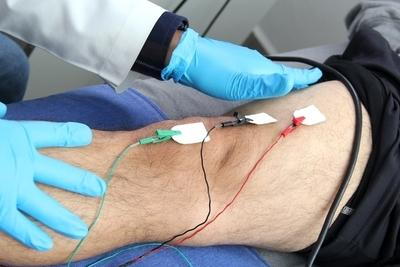
During the test, small sensors or thin needles are used to assess muscle response. This allows the provider to identify patterns that may indicate compression or irritation of the sciatic nerve. The information gathered through EMG can clarify whether symptoms are truly related to sciatica or another condition affecting the nerves.
What to Expect During the Test
An EMG study is typically performed in a controlled clinical setting and is designed to provide detailed information about nerve and muscle function. While the procedure may involve mild discomfort, it is generally well tolerated and completed within a relatively short time.
The results of the test are used alongside a physical examination and medical history to create a comprehensive understanding of the patient’s condition. This combined approach ensures that care is both accurate and personalized.
Supporting a Targeted Treatment Plan
Once the source of sciatica pain is clearly identified, a more focused treatment plan can be developed. EMG plays a critical role in this process by helping to pinpoint the location and severity of nerve involvement. With this information, care can be directed toward relieving pressure on the nerve, improving function, and reducing discomfort.
Early and accurate diagnosis can make a meaningful difference in recovery. Addressing the root cause of symptoms helps prevent ongoing irritation and supports long-term relief.
Take the Next Step Toward Relief
Living with sciatica pain can be challenging, but advanced diagnostic tools like EMG provide valuable insight into its cause. Rehabilitation Physicians, PC, in Howell and Novi, MI, offers patient-centered care focused on accurate diagnosis and effective treatment. To learn more or schedule an appointment, call (248) 893-3200 and take the next step toward lasting relief.
- posted: Mar. 25, 2026
For individuals seeking answers at Rehabilitation Physicians, PC, in Howell and Novi, MI, understanding the cause of sciatica pain is an essential step toward effective treatment. Sciatica often presents as pain that radiates from the lower back down through the leg, and identifying the exact source of nerve involvement is key to developing the right care plan. One valuable diagnostic tool used in this process is electromyography, commonly known as EMG.
What Is Sciatica and Why Diagnosis Matters
Sciatica is typically caused by irritation or compression of the sciatic nerve, the largest nerve in the body. This can result from conditions such as disc issues, inflammation, or structural changes in the spine. Symptoms may include sharp pain, tingling, numbness, or weakness that travels along the nerve pathway.
Because these symptoms can overlap with other conditions, a precise diagnosis is important. Understanding whether the nerve is affected, and to what extent, helps guide treatment decisions and supports better outcomes.
How EMG Helps Identify Nerve Involvement
EMG is a diagnostic test that evaluates the electrical activity of muscles and the nerves that control them. By measuring how well signals travel between nerves and muscles, EMG can help determine whether nerve damage or dysfunction is present.
During the test, small sensors or thin needles are used to assess muscle response. This allows the provider to identify patterns that may indicate compression or irritation of the sciatic nerve. The information gathered through EMG can clarify whether symptoms are truly related to sciatica or another condition affecting the nerves.
What to Expect During the Test
An EMG study is typically performed in a controlled clinical setting and is designed to provide detailed information about nerve and muscle function. While the procedure may involve mild discomfort, it is generally well tolerated and completed within a relatively short time.
The results of the test are used alongside a physical examination and medical history to create a comprehensive understanding of the patient’s condition. This combined approach ensures that care is both accurate and personalized.
Supporting a Targeted Treatment Plan
Once the source of sciatica pain is clearly identified, a more focused treatment plan can be developed. EMG plays a critical role in this process by helping to pinpoint the location and severity of nerve involvement. With this information, care can be directed toward relieving pressure on the nerve, improving function, and reducing discomfort.
Early and accurate diagnosis can make a meaningful difference in recovery. Addressing the root cause of symptoms helps prevent ongoing irritation and supports long-term relief.
Take the Next Step Toward Relief
Living with sciatica pain can be challenging, but advanced diagnostic tools like EMG provide valuable insight into its cause. Rehabilitation Physicians, PC, in Howell and Novi, MI, offers patient-centered care focused on accurate diagnosis and effective treatment. To learn more or schedule an appointment, call (248) 893-3200 and take the next step toward lasting relief.